




GROW on Tour is back, and this time we’re building the firm of the future.
Five cities, five days of free CPD, and four expert-led sessions designed around what's changing in financial advice right now, and ahead.
We'll be joined by Aberdeen, AJ Bell, Octopus Investments and Vanguard, testing different dimensions of firm readiness:
Client outcome integrity
Planning and wrapper strategy
Business Relief conversations
AI readiness
Your day at GROW on Tour brings advisers, paraplanners and compliance professionals together to tackle it all, with practical guidance you can put straight to work.
Across the day, we’ll break into small groups with rotating speakers sharing actionable insights on:
Consumer Duty with Aberdeen
Move from box-ticking to meet the regulatory bar, to using Consumer Duty as a tool for building a better business.
Planning strategy, with AJ Bell
A fresh take on wrapper strategy built for an industry mid-transformation, so your approach evolves alongside the rules rather than lagging behind them.
Business Relief, with Octopus Investments
Understand what's changed and walk away ready to have those client conversations with confidence.
AI in advice, with Vanguard
Learn where AI adds value, and how to futureproof your practice around it without being reshaped by it.
For the full agenda, in-depth overview of the interconnected sessions and learning outcomes, select your city below. See you there!
Regulation isn't going away. The question is whether you treat it as a burden or a business advantage.
MPS scrutiny is increasing. Consumer Duty is becoming more embedded. And the bar for evidencing genuine client understanding - not just technical compliance - is rising.
Most firms are focused on keeping up. This session is about getting ahead. Aberdeen will show you what consumer understanding actually looks like in practice, how clients experience your advice, how they grasp risk and outcomes, and how they recognise the value you provide.
From there, you'll explore how to turn regulatory expectations into a genuinely distinctive proposition - one that protects your business, deepens client trust, and creates a framework for sustainable growth.
With Mark Hopcroft from Aberdeen.

By the end of the session, attendees will be able to:
Navigate evolving MPS regulation in practical, day-to-day terms - not just in theory.
Identify and evidence genuine consumer understanding across your client base.
Turn Consumer Duty requirements into a competitive advantage rather than a compliance exercise.
Advisers are trying to navigate a succession of important planning rule changes right now. Keeping up with them all is one thing. Understanding how they interact – and what that means for your clients' strategies – is another.
In this practical session, Senior Technical Consultants Lisa Webster and Joshua Croft cut through the noise and focus on what actually matters. They'll cover the new ISA rules arriving in April 2027 – including restrictions on cash and cash-like investments, charges on interest, and what the reforms mean in practice. They'll also tackle the pensions and IHT question head-on, asking if the widely discussed ‘pension first’ retirement income strategy is really the right answer for your clients.
The session closes with the introduction of AJ Bell's Great Wrapper Reset -a fresh framework for wrapper strategies in a world of rising complexity, evolving tax rules, and changing retirement planning assumptions.
With Joshua Croft and Lisa Webster from AJ Bell.

By the end of the session, attendees will:
Understand the new ISA rules from April 2027 and what they mean for your clients' cash and investment strategies.
Understand the payment options for inheritance tax arising from pensions – and the pros and cons of each method.
Understand the factors to be considered when deciding where to draw income from in retirement, and why “pension first” might not always be the answer.
Business relief has been part of UK inheritance tax legislation since 1976. But in 2026, it's changed significantly - and the planning implications for your clients are bigger than ever.
The Autumn Budget 2024 introduced the most significant BR reforms in a generation. From April 2027, undrawn pension pots fall into taxable estates too. And with IHT receipts projected to exceed £12.6 billion by 2028–29 and nil rate bands frozen until 2030, more clients are being drawn into the IHT net without realising it.
This session cuts through the complexity. Octopus Investments will equip you with a clear framework to understand what's changed, apply BR across real client scenarios, conduct proper due diligence, and identify who to prioritise - so you can approach these conversations with confidence, not hesitation.
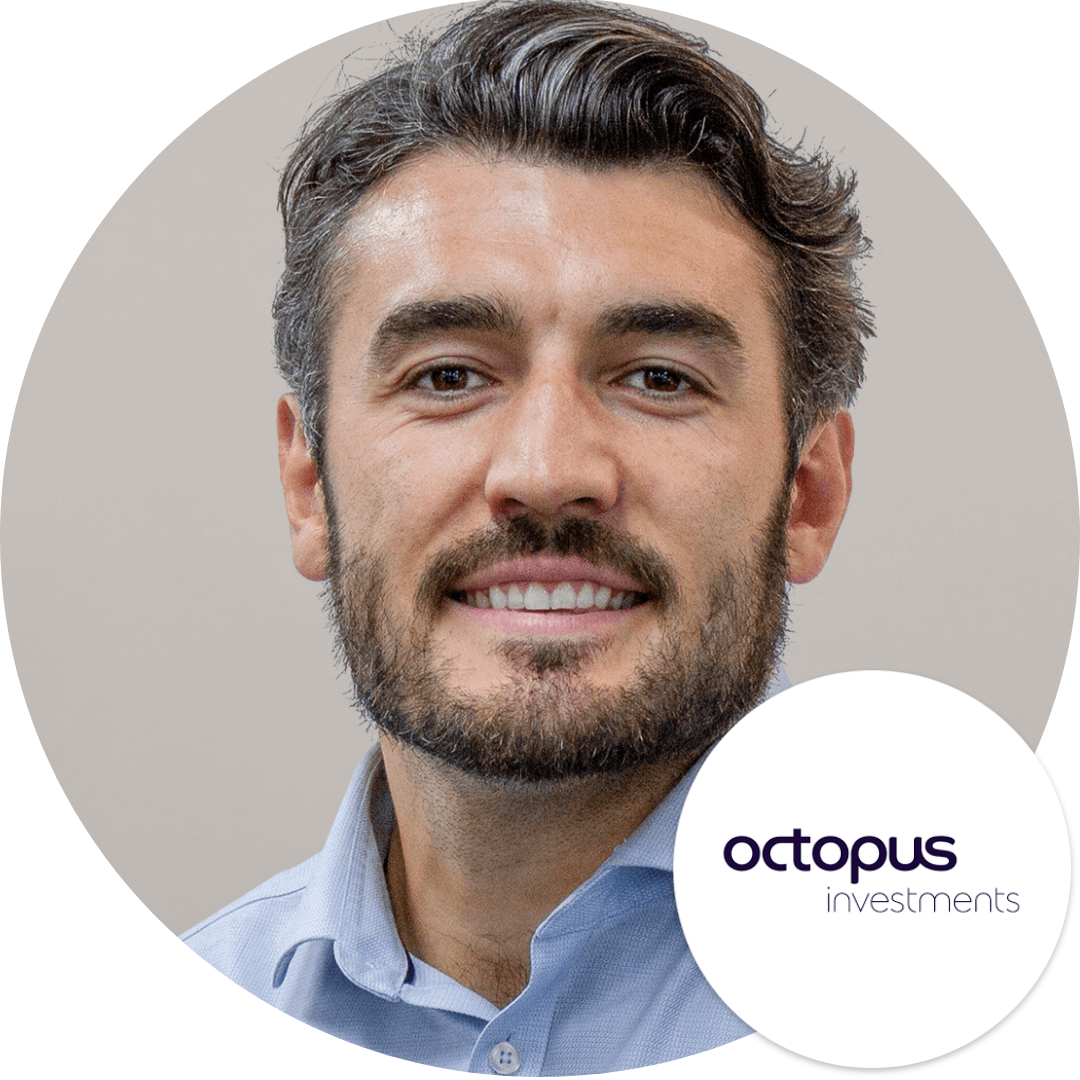
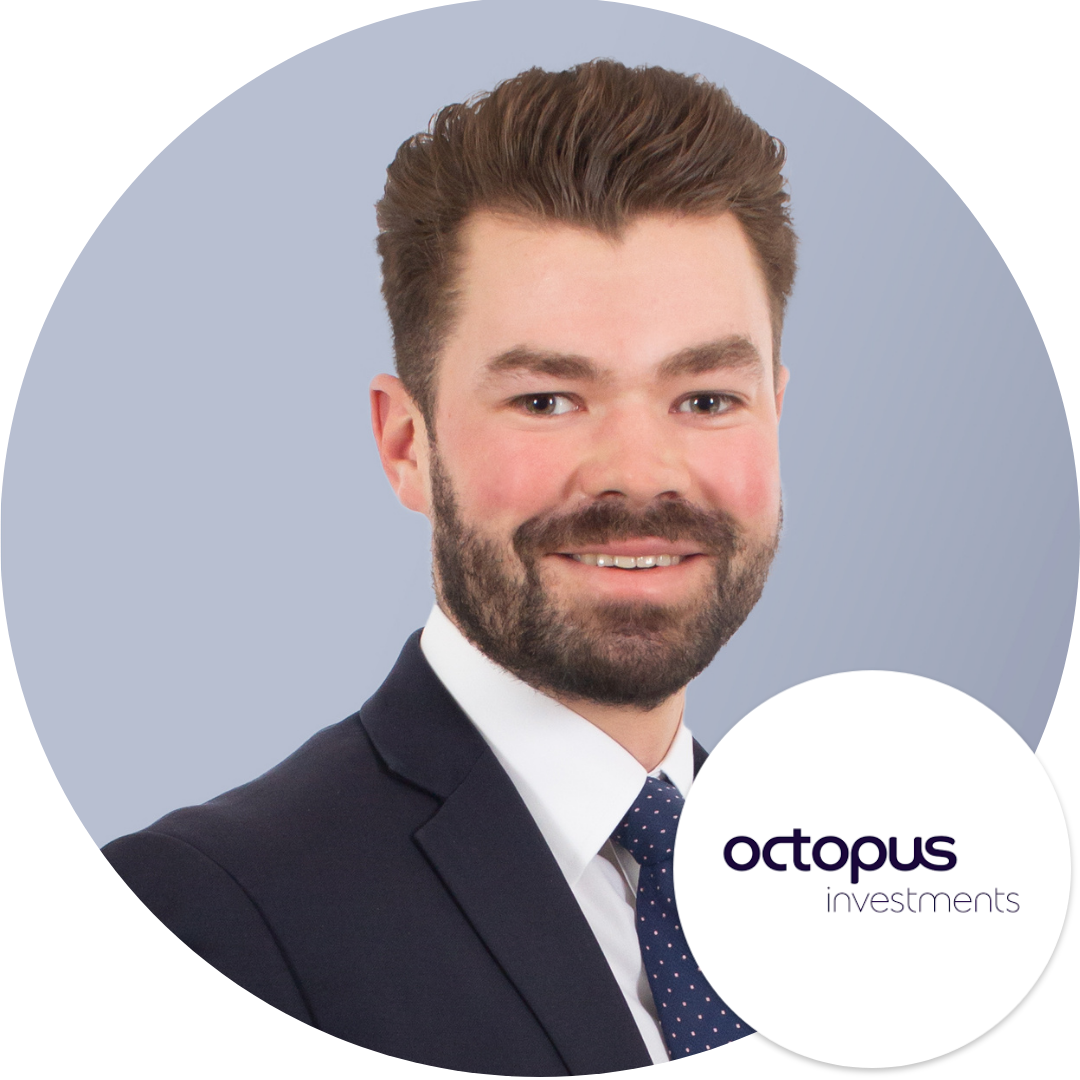
With Alex Evans, Carl Porter Joshua Croft, Tom Jeffs and Jon Berry from Octopus Investments.

By the end of the session, attendees will be able to:
Explain the BR qualification rules and exactly what the Autumn Budget 2024 reformed.
Understand how pension IHT changes from April 2027 interact with BR planning.
Apply BR confidently across the most common client scenarios.
Know what to look for and what to avoid when selecting a BR investment.
Identify which clients to prioritise and how to open the conversation.
Vanguard has been researching and articulating the value of financial advice for 25 years. They've studied what advisers actually deliver (beyond returns) and how clients experience that value. Now they're asking a harder question - how does AI change any of that?
It's a question worth sitting with. Because the advisers who thrive in the next decade won't be the ones who ignore AI, or the ones who hand everything over to it. They'll be the ones who understand exactly where their value lies, and lean into it.
This session pulls together Vanguard's latest thinking on Adviser Alpha, explores where AI enhances what you do, and gives you a clearer picture of the skills and relationships that will define great advice in the years ahead.
With Fabrizio Zumbo and Warwick Bloore from Vanguard.

By the end of the session, attendees will be able to:
Understand the evolving value of financial advice and where advisers deliver most beyond portfolio performance.
Recognise the distinct roles of human advisers and AI, and how the two can work together.
Identify how to position your practice in an AI-enabled world — leaning into emotional intelligence, client relationships, and personalised guidance.



.png)